For centuries, experiences of deep peace and awakening were described in religious or spiritual terms — enlightenment, mystical union, non-duality, devekut, haal, “the peace that passeth understanding.
But for most of modern history, these shifts were dismissed as philosophy or faith. Science had little language — and even less courage — to study them seriously.
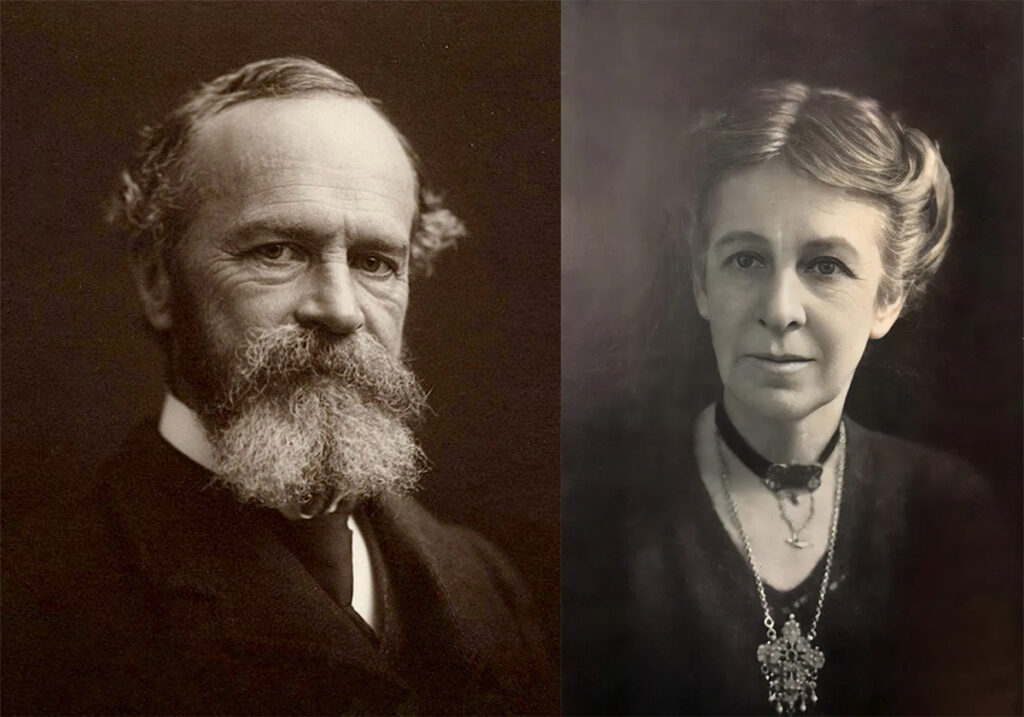
In 1902, Harvard psychologist William James published The Varieties of Religious Experience, igniting interest in the scientific study of profound states of consciousness.
A decade later, Evelyn Underhill added fuel with her book on mysticism, suggesting that what we now call Fundamental Wellbeing might be available to anyone.
Over the next 50 years, this work influenced Humanistic and Transpersonal Psychology. But serious scientific study stalled, tangled in academic politics and skepticism. Researchers could publish on “meditation” or “relaxation,” but not on awakening itself.
The Roadblocks Throughout the 20th century, attempts to study these experiences were often tied to religious movements.
For example, the Transcendental Meditation movement produced hundreds of studies showing benefits — but their close association with a spiritual sect made mainstream science wary.
Academics feared for their careers. Many quietly studied these phenomena but published under safer terms like “long-term meditation,” sidestepping the deeper truth: they were observing people in persistent Fundamental Wellbeing.
Still, pioneers like Ralph Hood at the University of Tennessee built credible careers focused on mysticism, proving it was possible to study these experiences with rigor.
The Tide Turns
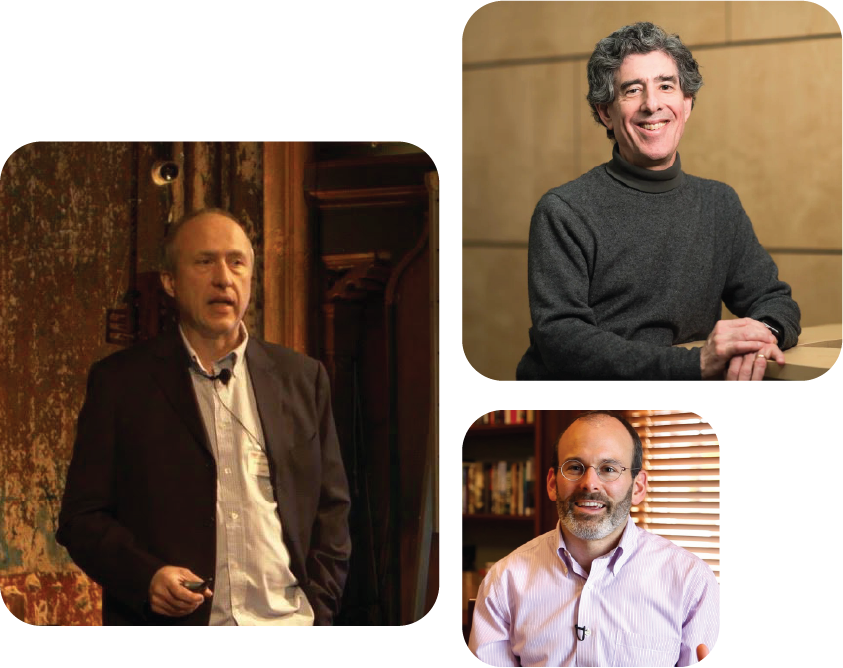
In the last 30 years, a slow but steady change has taken place. Well-respected neuroscientists such as Richard Davidson (UW-Madison), Zoran Josipovic (NYU), and Judson Brewer (UMass) began publishing openly on these states.
PhD programs at top universities now allow dissertations in this area. Professional networks have formed. Private funding is growing. Even psychedelic research has helped re-legitimize the study of self-transcendent experiences.
The field is no longer fringe — though it’s still far from mainstream.
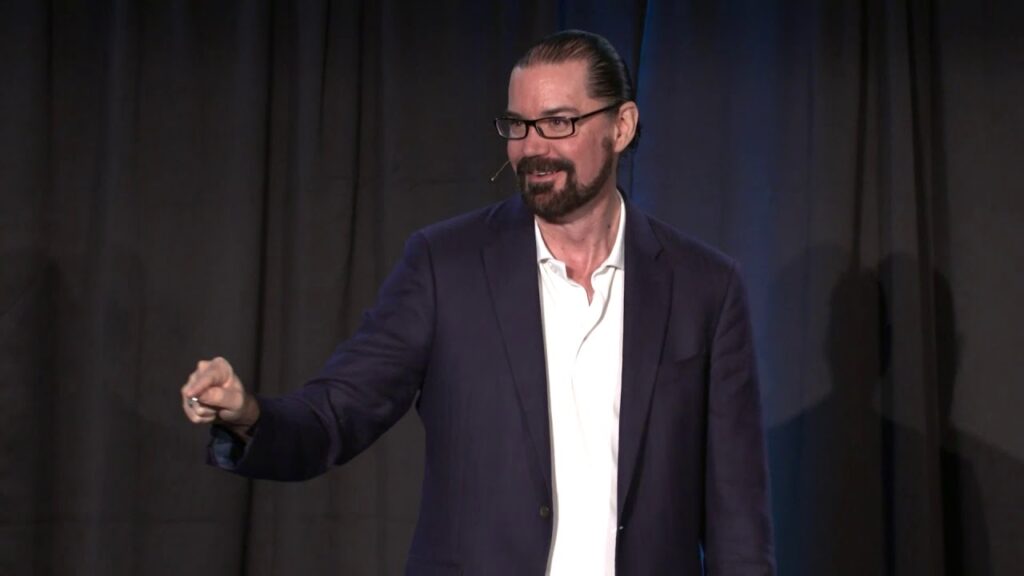
Dr. Jeffery A. Martin’s Breakthroughs
Against this backdrop, Dr. Jeffery A. Martin spent nearly two decades leading the world’s largest study of people experiencing persistent Fundamental Wellbeing. His team produced several firsts:
This body of work is now recognized as a foundation for the science of Fundamental Wellbeing.
The first trans-cultural, pan-tradition map of Fundamental Wellbeing (the Martin Matrix)
The first large-scale pre/post studies tracking people before and after they transitioned
The first reliable protocols that guide people into Fundamental Wellbeing with 65–90% effectiveness (over weeks, not decades)
The first longitudinal studies following a large population of “Finders” to see how their lives evolve over time
Dr. Jeffery A. Martin’s Breakthroughs
Against this backdrop, Dr. Jeffery A. Martin spent nearly two decades leading the world’s largest study of people experiencing persistent Fundamental Wellbeing. His team produced several firsts:
This body of work is now recognized as a foundation for the science of Fundamental Wellbeing.
Although academic politics slowed progress for more than a century, the tide is finally shifting. With rigorous data, global collaboration, and growing acceptance, science can now name and measure what humans have described for millennia.
The Fundamental Wellbeing Foundation exists to carry this work forward — ensuring that these discoveries and others are not just archived in journals, but translated into tools, programs, and communities that make them accessible worldwide.